Regulations · Schools
Pest Control for Schools: What the Law Requires, How to Apply Safely Around Kids, and How a School Board Hires It
At the start of the 2026 school year, Costa Rica had more than 800 active health orders against schools, according to El Observador, citing data from the Ministry of Public Education (MEP). Rats in cafeterias, termites in the structure, pigeons in the eaves, and dengue breeding sites in gutters and playground tires are real problems that end in a health order against the school board and the principal, not against the MEP. This guide is for principals, school boards (juntas de educación), private school administrators, and daycare managers: what the regulations require, how to apply product safely where there are children, and how to hire the right way.
- The school cafeteria is covered by Decree 37308-S: a documented pest control plan is mandatory.
- With children present, application requires an authorized company, a service sheet, and a documented re-entry time.
- School boards can contract directly with 3 quotes, without going through SICOP (the national procurement platform), per the MEP's guide.
- Major work is scheduled during school breaks: July and the December-to-February recess.
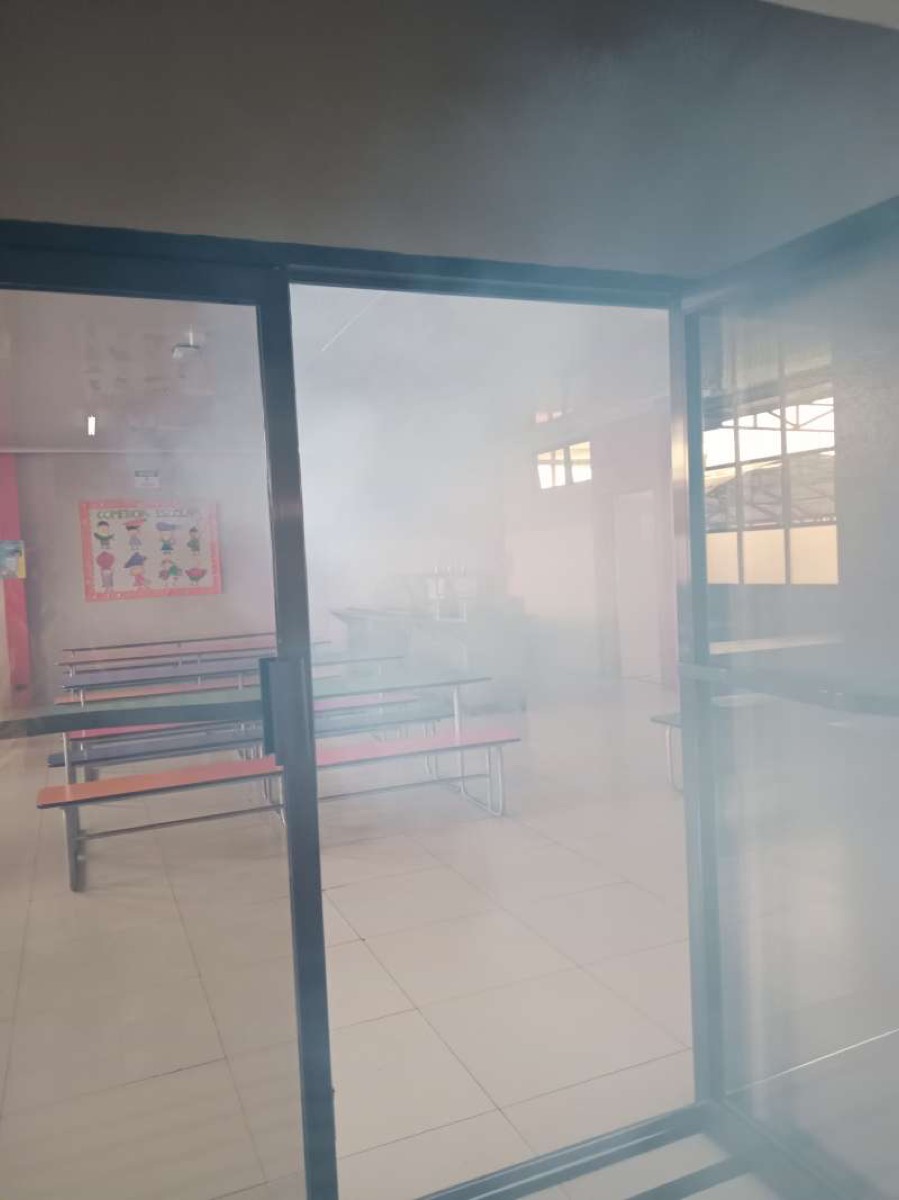
What the regulations require of a school
- The cafeteria: every food service operation, including the school cafeteria (PANEA in the public system), falls under Decree 37308-S: an active pest control plan, application records, registered products, and a company authorized by the Ministry of Health. It's the item the regional health authority (Área Rectora) checks most closely.
- The school's health permit: schools require an operating health permit from the Ministry of Health (Decree 43432-S), and hygiene conditions can be checked in an inspection at any time.
- Who can apply product: Decree 38335-S-MTSS requires that whoever handles pesticides be a company with a Ministry of Health permit, a chemical regent, and staff trained annually. The janitor with a backpack sprayer doesn't meet that bar, and at a school with minors, that difference matters twice as much: if something happens, the institution needs to be able to show due diligence. We cover the details in how to verify a licensed pest control company.
- Dengue: the Ministry of Health's breeding-site campaigns include schools among the sites they target. Gutters full of leaves, playground tires, and uncovered tanks are the usual suspects; see our breeding site guide.
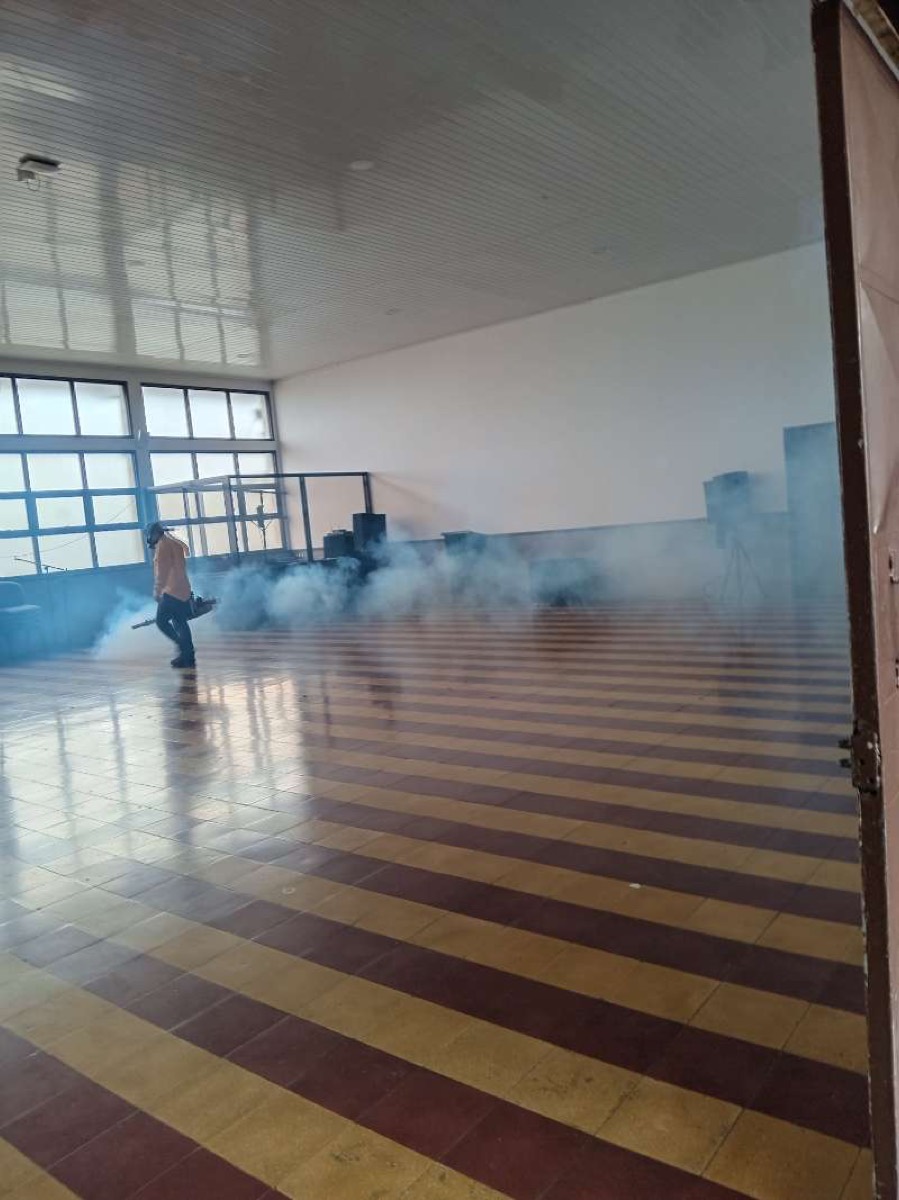
How to fumigate where there are children (and how to explain it to parents)
The professional standard for schools is Integrated Pest Management (IPM), which minimizes chemical use:
- Times without students: Friday afternoons, weekends, or school breaks. Never with children present.
- Locked, anchored, numbered rodent bait stations instead of loose bait; gels in inaccessible spots instead of mass spraying.
- A written service sheet with the product applied, its Ministry of Health registration number, and the exact re-entry time for the treated area. That's the document a principal can show any parent or inspector.
- Communication to parents: a good provider gives you a template notice explaining what was applied, when, and with what precautions. Fumigation that's well communicated builds trust instead of causing alarm.
For school boards: yes, you can hire directly, and it's simpler than it looks
Juntas de educación and juntas administrativas (Costa Rica's school boards) are public-law legal entities with their own budget, and the MEP publishes an official procurement guide for their purchases, which are currently excluded from SICOP (the national e-procurement platform) by a ruling from the Ministry of Finance. In short, for a fumigation contract:
- The board adopts a resolution to contract, with a justification and cost estimate.
- It invites at least 3 qualified vendors from its vendor registry, giving them 3 to 5 business days to bid (a reduced-tender process, Ley 9986).
- It awards the contract by board resolution, signs the contract, and pays within 30 days against an electronic invoice, with the joint signature of the board president and the treasurer-accountant.
- The vendor must be up to date with the CCSS (social security) and Hacienda (tax authority), and given the nature of the work, must have a Ministry of Health permit and a chemical regent.
- The Ley 6746 fund covers "goods for safety and cleaning" and "basic maintenance," where pest control fits, and school boards have a general VAT exemption for their purchases.
Practical calendar tip: invasive work (deep rodent removal, termite treatment, pigeon exclusion) should be scheduled for the July break or the big December-to-February recess, and it's worth building the annual contract into the budget that boards put together in the last quarter of the year.
EcoPlagas runs free inspections of cafeterias and storage areas with a written report and photos: a document you can use as-is to justify the board resolution and put together the procurement file. We also provide a formal quote that meets all the requirements in the MEP's guide.
Do you run a school?
Free inspection of the cafeteria and storage areas with a written report, application scheduled outside school hours, and a service sheet with re-entry time.

References:
El Observador – Health orders against schools in Costa Rica
Decree N° 37308-S, Regulation for Public Food Service Establishments
Decree N° 38335-S-MTSS, Regulation Governing Pest Control Activity
MEP – Procurement guide for school boards excluded from SICOP
MEP – Funding sources for school boards (Laws 6746 and 7552)