Diagnosis · Rodents
Signs of Rats and Mice
Hearing noises at night in the ceiling or behind the fridge? Dark little pellets in corners or next to the pantry? Rodents leave very clear "signatures": droppings, gnaw marks, tracks, and sometimes grease smudges. Knowing how to read those signs lets you confirm whether you have a rat or a mouse and act in time. In Costa Rica, rodent control in homes and businesses should be safe, and it usually combines exclusion, managing trash and food scraps, and sealing cracks. Here's what to look for and when professional control makes sense.
- Signs: droppings (size indicates rat vs. mouse), gnaw marks, tracks, nighttime noises.
- Mouse: small, gaps under 1 cm. Rat: bigger, needs larger gaps.
- If there are many, control needs to be comprehensive (not just traps).

Typical signs
- Droppings: mouse droppings are small (3-6 mm), dark grains found in corners or near food. Rat droppings are bigger and thicker. Fresh droppings look shiny and soft; old ones look dry and gray.
- Gnaw marks: marks on wires, boxes, wood, pipes, or food. The edges look ragged; rats leave bigger marks than mice.
- Tracks and smears: on dusty or dirty surfaces you can see footprints and sometimes a tail drag mark; in drop ceilings or basements, grease marks from their bodies rubbing against surfaces.
- Noises: scurrying, scratching, or gnawing at night, especially in ceilings, walls, or under floors.
- Nests: shredded material (paper, fabric, cardboard) in corners, between ceilings, or inside appliances.
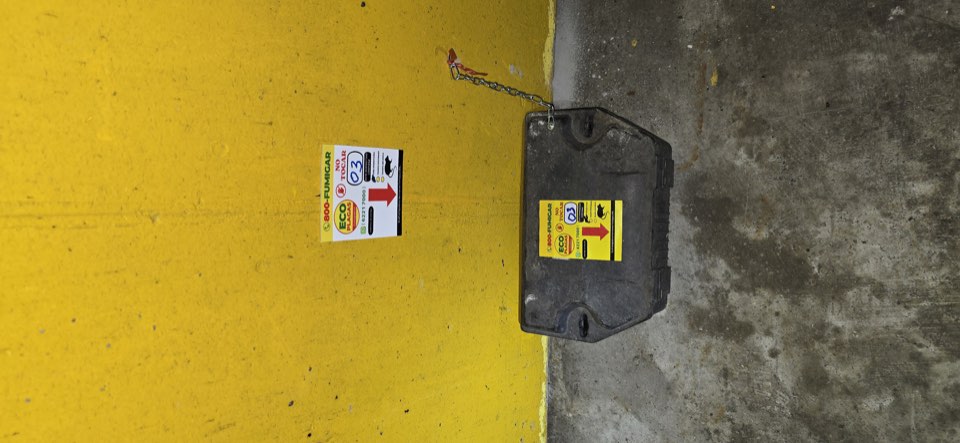
Rat vs. mouse: how to tell them apart
Mouse: small (about 10 cm without the tail), droppings like grains of rice (3-6 mm), gets in through gaps smaller than 1 cm, about the width of a pencil. Rat: bigger (20-25 cm or more), thick, elongated droppings, needs larger gaps. Both spread disease and damage wiring and fixtures; if there are many, control needs to be comprehensive (sealing, sanitation, and treatment), not just traps.
A useful clue
If you only hear noises at night, that's typical of rodents (they're nocturnal). If you're also finding fresh droppings (shiny and soft) every morning, the activity is recent and it's worth acting quickly: seal entry points, tidy up, reduce accessible food, and consider professional control with secure bait stations.
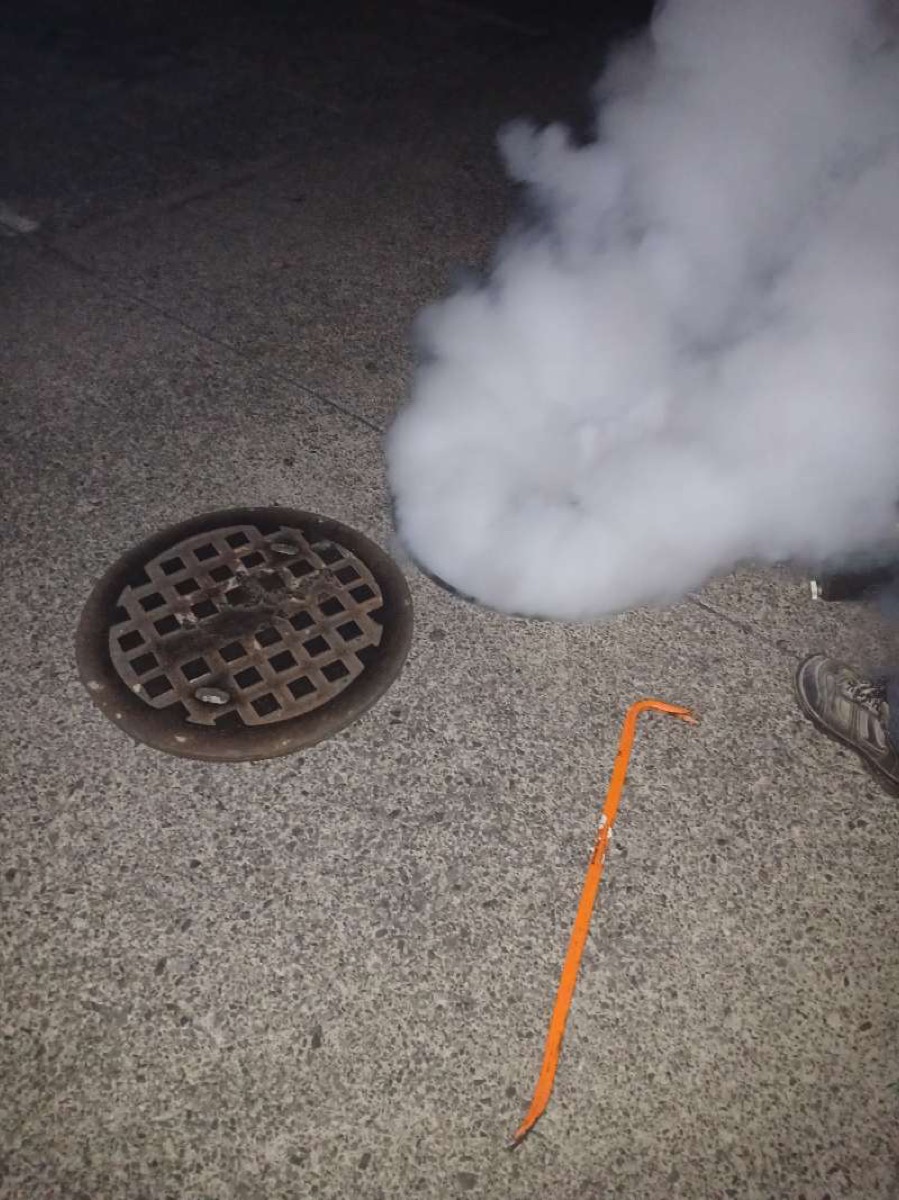
If you're finding droppings daily, hearing constant noises, or seeing damage to wires and pipes, professional control is safer and more effective. EcoPlagas handles rodents in homes and businesses across the Greater Metropolitan Area.
Spotted rodents?
Safe rat and mouse control for homes and businesses. Call us.

References: