
Costa Rica Pest Guide
Correctly identifying the pest is the first step to controlling it. Learn about the habits, risks, and professional treatment of the most common pests in homes and businesses in Costa Rica.
Each pest species has its own biology and habits that determine where it hides, how it reproduces and, therefore, which control strategy actually works. Integrated Pest Management (IPM) always starts with an accurate diagnosis: without correctly identifying the organism and the conditions that favor it, any treatment is just a temporary patch. That is why knowing the pest matters as much as treating it.
Visual pest library
Cockroaches
Order Blattodea
Highly adaptable insects that thrive in kitchens, bathrooms, and drains. They are linked to bacteria, allergens, and food contamination.
View full profile →Ants
Family Formicidae
Social insects that enter along established trails in search of food, water, or shelter. Some species damage wood or spread bacteria.
View full profile →Termites
Infraorder Isoptera
They feed on cellulose and silently damage wooden structures and furniture. The damage can be irreversible before it is even visible.
View full profile →Rodents
Family Muridae
Rats and mice that search for food, water, and shelter. They gnaw, contaminate surfaces and food, and spread diseases such as leptospirosis.
View full profile →Mosquitoes
Family Culicidae
They breed in standing water and are vectors for dengue, chikungunya, and other diseases. Controlling breeding sites is key.
View full profile →Fleas and Ticks
Siphonaptera and Ixodida
External parasites that feed on the blood of pets and people. They can spread disease and are hard to eliminate without treating the environment.
View full profile →Bed Bugs
Family Cimicidae
They hide in mattresses, seams, and cracks. They bite at night and spread quickly through clothing, luggage, and furniture.
View full profile →Flies
Order Diptera
Flying insects associated with waste and decomposing organic matter. They contaminate food and surfaces with pathogens.
View full profile →Scorpions
Order Scorpiones
Nocturnal arachnids that hide in cracks, clothing, and shoes. Their sting is painful and can be dangerous for children or sensitive individuals.
View full profile →Spiders
Order Araneae
Arachnids that settle into corners, eaves, and storage areas. Most are harmless, but some species require control due to bite risk.
View full profile →Mites
Subclass Acari
Microscopic organisms associated with dust, mattresses, and fabrics. They are linked to allergies, asthma, and dermatitis, especially indoors.
View full profile →Bats
Order Chiroptera
Mammals that nest in roofs and attics. They are managed exclusively through physical exclusion, never poison, in compliance with current regulations.
View full profile →Prevention starts with information
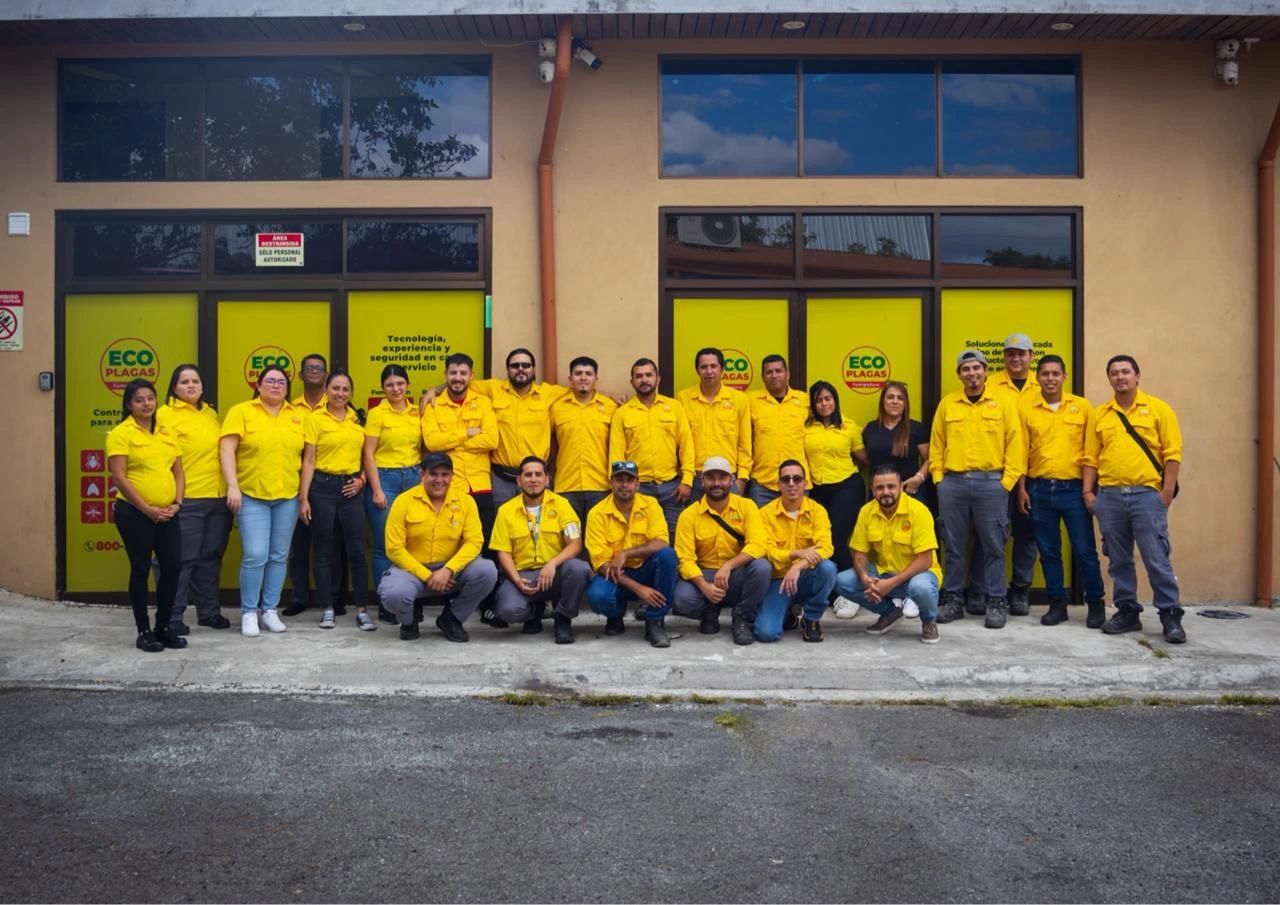
Understanding the biology of each pest leads to better decisions: from hygiene adjustments and preventive maintenance to knowing when it is time to call a professional. EcoPlagas has a licensed chemical safety officer, trained technicians, and authorization from the Ministry of Health (MINSA) to operate under current regulations in Costa Rica.
With 12 branches across the country's 7 provinces and more than 10,000 customers served, we offer the diagnosis, experience, and the right products for every situation.
- Ministry of Health (MINSA) authorization
- Licensed chemical safety officer
- Trained technicians
- 12 branches, 7 provinces
- 10,000+ customers served