News · Bed bugs
Bed Bugs Are Back in Costa Rica: A Guide for Travelers, Airbnbs, and Hotels
For almost 30 years, bed bugs (the "alepates" your grandmother used to talk about) practically disappeared from Costa Rica. That changed: the University of Costa Rica documented their reappearance, with the first confirmed report in 2017, and explains that they travel "mainly in travelers' luggage." Here's the detail that keeps you up at night: according to that same UCR report, a single female that has already mated is enough to start an infestation, laying around 50 eggs a month. This guide covers two angles: how to protect yourself as a traveler, and what a hotel or Airbnb should do so one incident doesn't turn into a crisis.
- Bed bugs reappeared in Costa Rica in 2017 after roughly 30 years with no reports (UCR); they travel in luggage.
- They don't transmit diseases, but their bites and the cost of getting rid of them are a serious problem.
- Traveler: check the mattress and headboard on arrival; keep your suitcase up off the floor; wash clothes in hot water when you get home.
- Hotel/Airbnb: regular preventive inspections and a discreet 24-48 hour response protocol.
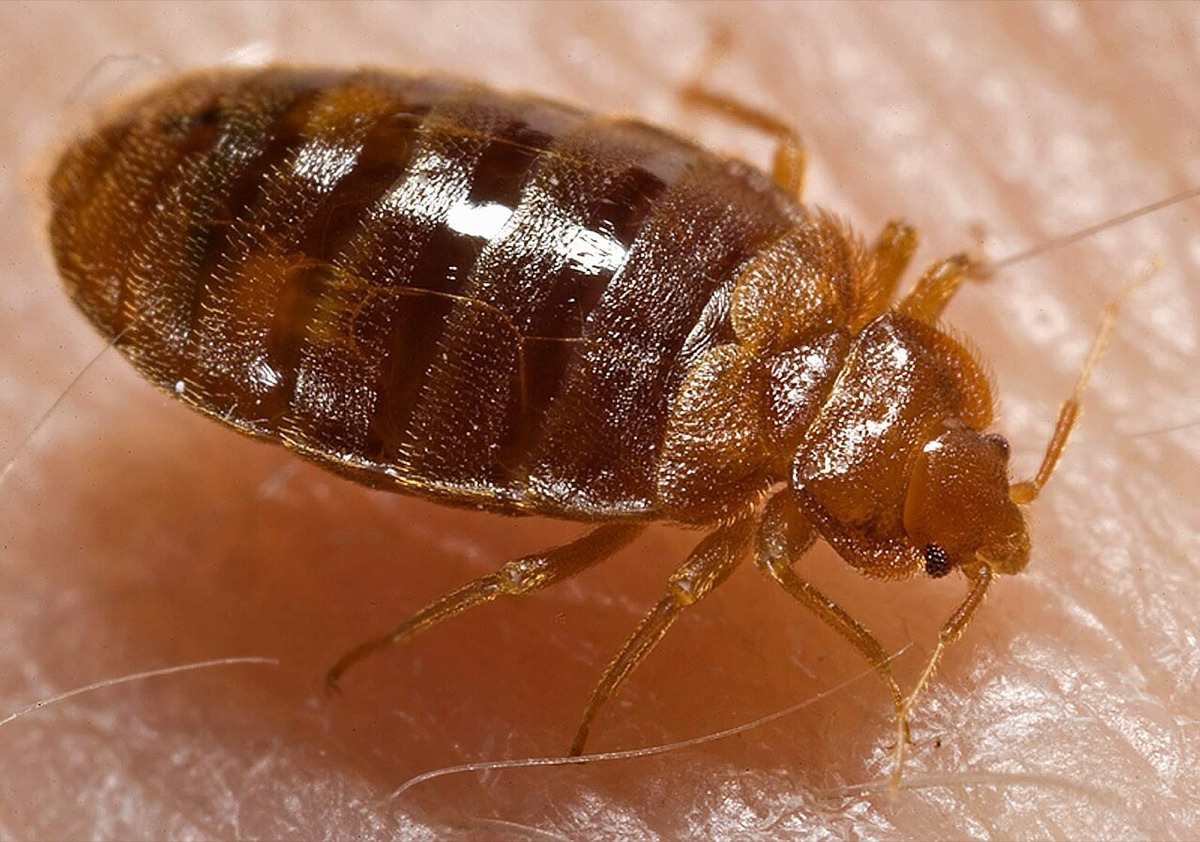
How to recognize them
They are flat, oval, brown insects, about the size of an apple seed (5-7 mm) as adults. During the day they hide in mattress seams, headboards, bed frame joints, baseboards, and behind picture frames; at night they come out to feed on blood. Typical signs: black dots (droppings) in mattress seams and corners, small blood spots on sheets, shed skins, and bites that appear in a line or cluster when you wake up, usually on arms, neck, and legs.
Traveler's guide: 3 minutes that can save you months of trouble
- When you arrive at the room: leave your suitcase in the bathroom (a hard surface) and check the mattress seams, the fitted sheet's edge, and the headboard with your phone's flashlight. Look for black dots or insects.
- During your stay: keep your suitcase on the luggage rack or up off the floor, never on the floor or the bed; if anything raised suspicion, keep your clothes inside the closed suitcase instead of in the drawers.
- When you get home: if you had any suspicion, unpack straight into the washing machine on hot water and dry on high heat; vacuum and clean the suitcase outside the house. Heat kills both eggs and adults.
- If you wake up with bites in a line: report it to the hotel with a photo and ask for a non-adjacent room change (bed bugs migrate to neighboring rooms).
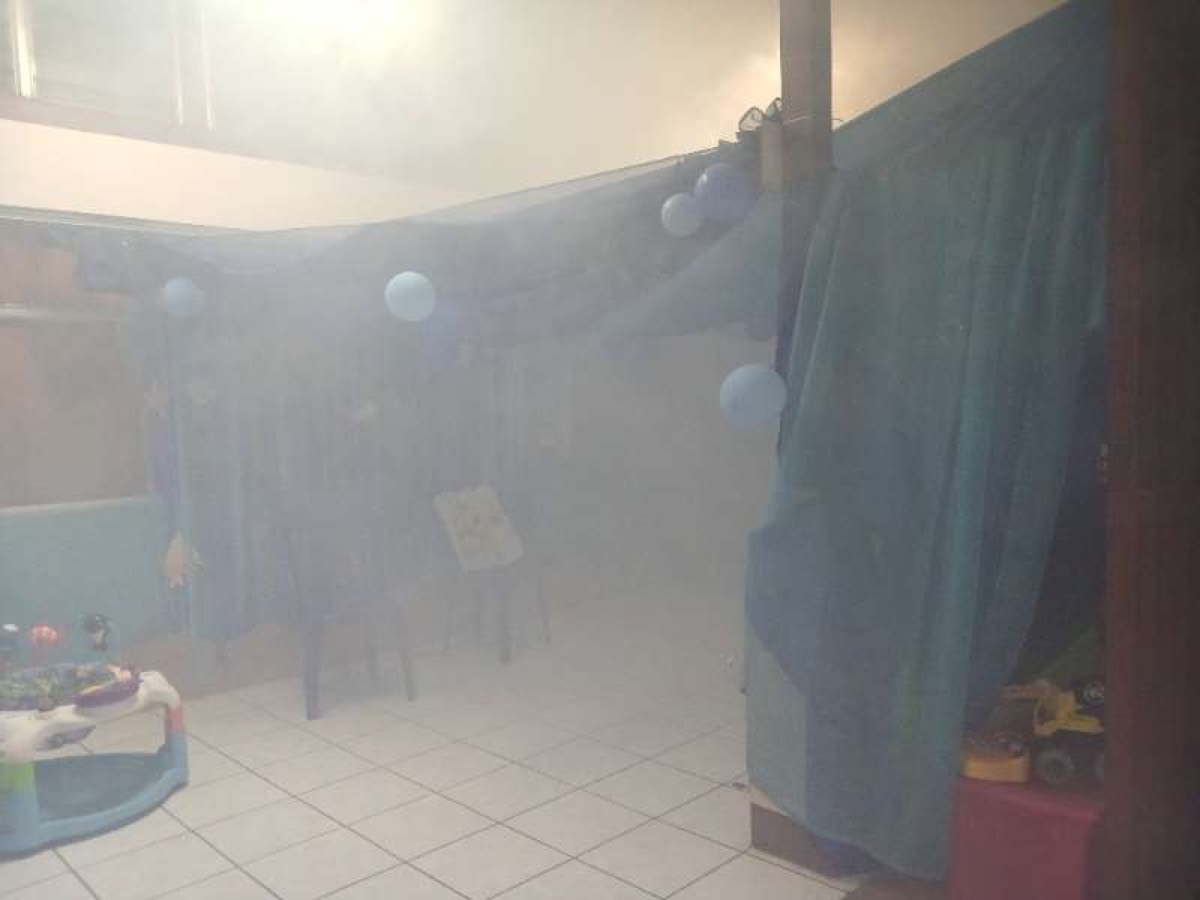
For hotels and Airbnbs: the real cost is reputational
Just search YouTube for guest complaints about bed bugs in Costa Rica hotels to understand the damage: a single video or review with photos of bites outweighs a hundred five-star reviews. A serious program for lodging businesses includes:
- Regular preventive room inspections (mattresses, headboards, baseboards, upholstered furniture), documented in writing.
- Housekeeping training: housekeepers are the first line of detection; they should know how to spot black dots and shed skins when changing bedding.
- Discreet response protocol: isolate the room and adjacent rooms, professional treatment within 24-48 hours, hot-water laundering of all bedding, and a follow-up check at 14 days (eggs hatch in about two weeks).
- Never handle it with a supermarket spray: it scatters the bed bugs into neighboring rooms and multiplies the problem.
Bed bugs require targeted treatment of cracks, seams, and furniture, usually in two applications spaced 10-14 days apart to cover the egg cycle, plus follow-up monitoring. Learn about our bed bug control service.
Think you have bed bugs?
Discreet professional inspection and treatment for homes, hotels, and Airbnbs. Two-application protocol with follow-up.