Ants in Costa Rica: Why They Show Up and How to Control the Colony
✓ Pest control company licensed by the Ministry of Health · ✓ 10,000+ clients
Contents
Scientific name and common groups
Ants belong to the family Formicidae. Costa Rica has many species; in pest control, we work by behavior group: some go after sugar (sweets and honeydew), others go after protein and grease, and others nest inside structures.
Examples of ants that commonly cause problems
- Ghost ant (Tapinoma melanocephalum): tiny, trails along walls and in kitchens; associated with moisture and sweets.
- Argentine ant (Linepithema humile): forms huge supercolonies; invades kitchens and storage areas.
- Carpenter ants (Camponotus spp.): can nest in damp wood; they don't always eat the wood, but they use it as shelter.
- Fire ants (Solenopsis spp.): more common in yards and gardens; can come indoors when there's food and a trail leading in from outside.
Note: exact identification can require an inspection, since different species can look very similar.
What locals call them in Costa Rica
In Costa Rica people commonly describe them as "hormiga pequeña" (small ant), "hormiga de azúcar" (sugar ant), "hormiga roja" (red ant), or "hormiga negra" (black ant). At home, people also talk about "rutas" or "caminos" (trails) when there's a steady line of ants running between the nest and a food source.
Where they're found in homes
- Kitchen: countertops, cabinets, cracks, cabinet joints, behind the refrigerator and microwave.
- Bathrooms and laundry areas: trails along pipes, sinks, vents, areas with condensation.
- Immediate exterior: planters against the walls, flowerpots, decorative rock, weeds, baseboards with dirt buildup.
- Inside structures: door and window frames, ceilings, and damp wood (depending on the species).
Conditions that favor them
- Constant food sources: sugar, honey, ripe fruit, crumbs, grease, and pet food.
- Moisture: small leaks, drain traps, dripping, condensation; bathrooms with poor ventilation.
- Entry points and trails: cracks, unsealed pipe penetrations, windows that don't close tightly, vegetation touching the house.
- "Hit-or-miss" control: wiping down a trail today doesn't get rid of the nest; if the food source comes back, the trail comes right back with it.
Signs and typical trails
- Visible trails on walls, countertops, or baseboards, especially in the evening.
- Repeated activity in the same spot (can point to a nearby nest or an established trail).
- Ants specifically drawn to sugar (cups, jars, sweets) or to grease and protein (trash, sink).
Practical prevention
- Store food in airtight containers; clean up sugary spills right away.
- Don't leave pet food out overnight; wash the pet's bowls.
- Control moisture (leaks, drips, condensation) and improve bathroom ventilation.
- Trim back vegetation touching the house and seal cracks and pipe penetrations.
- Manage trash: closed bags and lidded trash cans.
Professional control (species-specific approach)
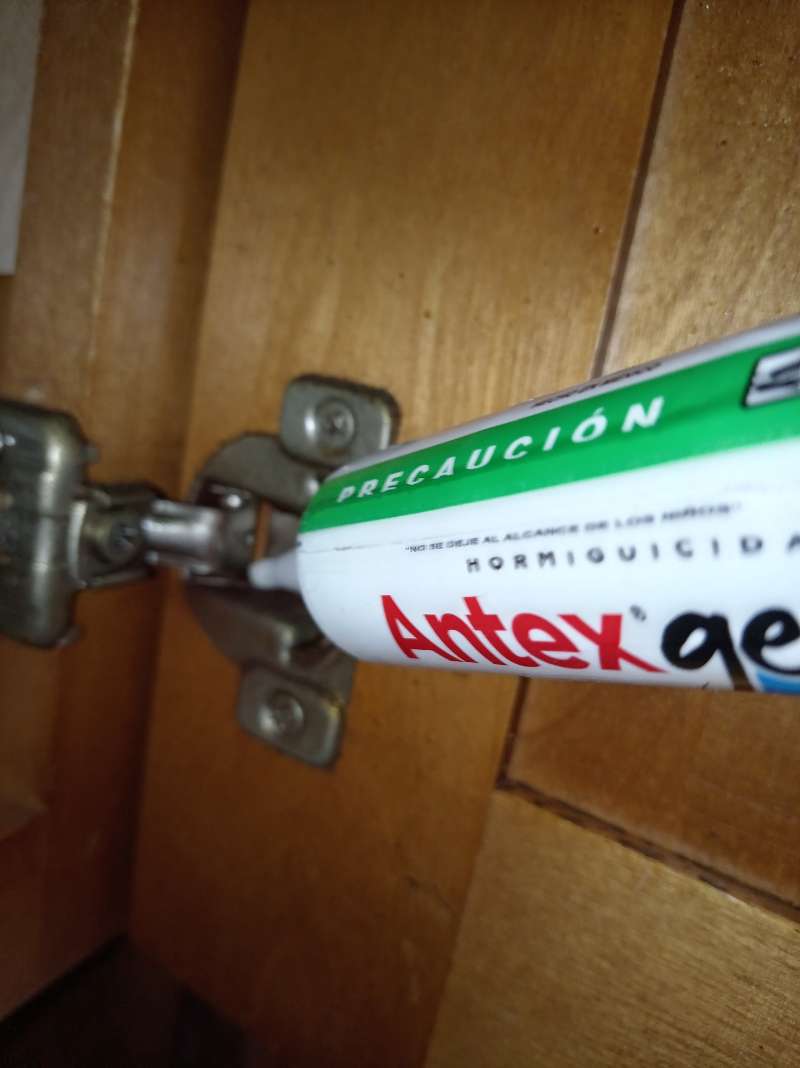
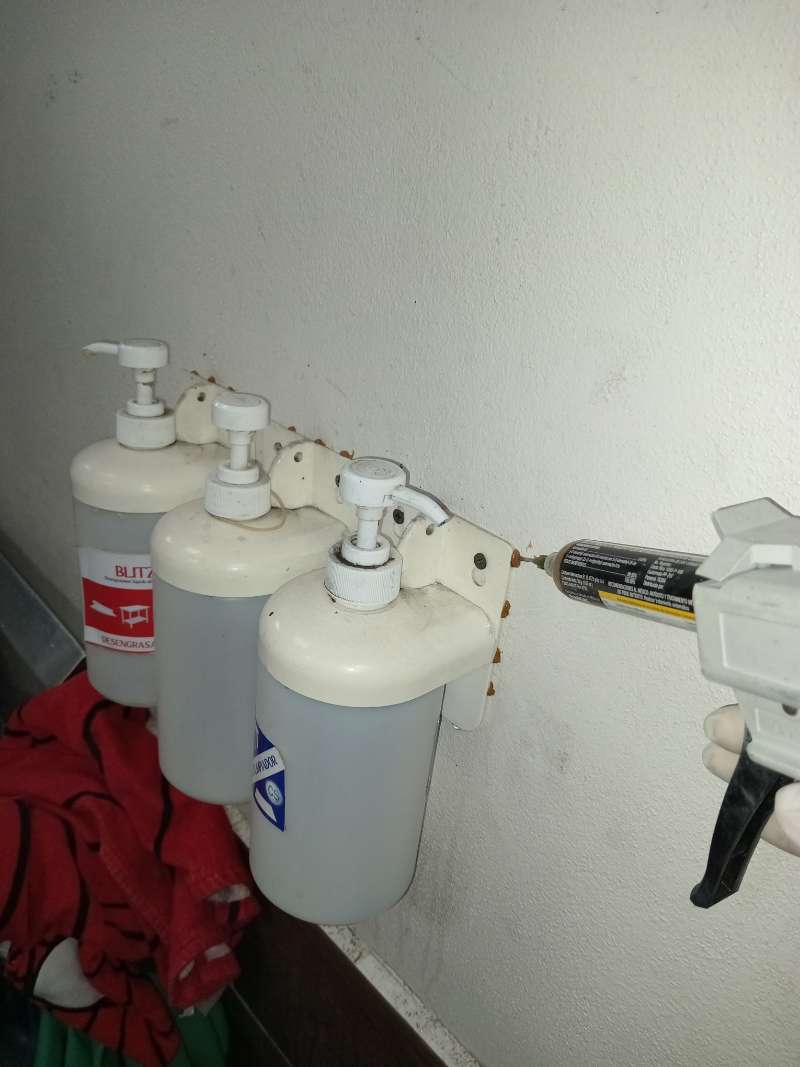
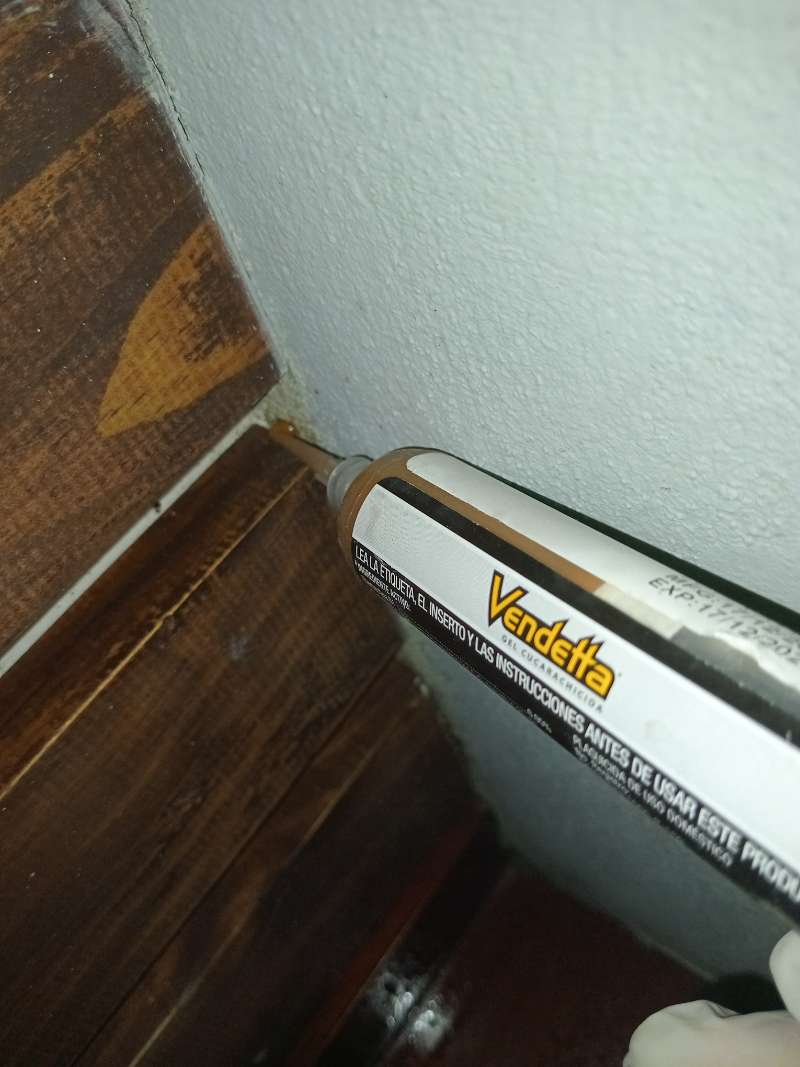
Professional control aims to break up trails and hit the nest itself. Depending on the type of ant, we may use specific baits (sugar-based or protein-based), targeted treatment at entry points, and sanitation and structural recommendations. The goal is for the colony to stop "operating" in your home or business.
How we treat ants at EcoPlagas
Real service photos, taken from our technicians' recent reports.